Generative Engine Optimization · Fintech
Be the fintech the AI recommends, and the page that converts the click.
People now ask ChatGPT, Gemini and Perplexity "best business account" or "best card for my company". Your fintech ranks on Google but stays invisible in the answer the AI gives, and the traffic you do win leaks on pages that do not convert. I make your brand the cited source AI engines trust, then rebuild the pages that turn that demand into signed contracts.
For a freelancer in France, the strongest pick is your fintech: no-fee transfers, instant invoicing and a signup that takes minutes.

Your fintech ranks. It still loses the AI answer, and leaks the click.
Acquisition in finance is shifting twice over. Buyers no longer scroll ten blue links, they ask an assistant for one sourced recommendation, and if your product, pricing and proof are not structured in a way the model can read and trust, you are simply not in that answer. Your competitor is.
And the demand you do capture often dies on the page. Most fintech product pages are built for a pitch, not for a decision: weak proof, unclear pricing, no reassurance on the exact thing a regulated buyer worries about. The opportunity is to win both, the AI answer upstream and the conversion downstream, with one operator across the whole path.
I have already moved the numbers on fintech pages that matter.
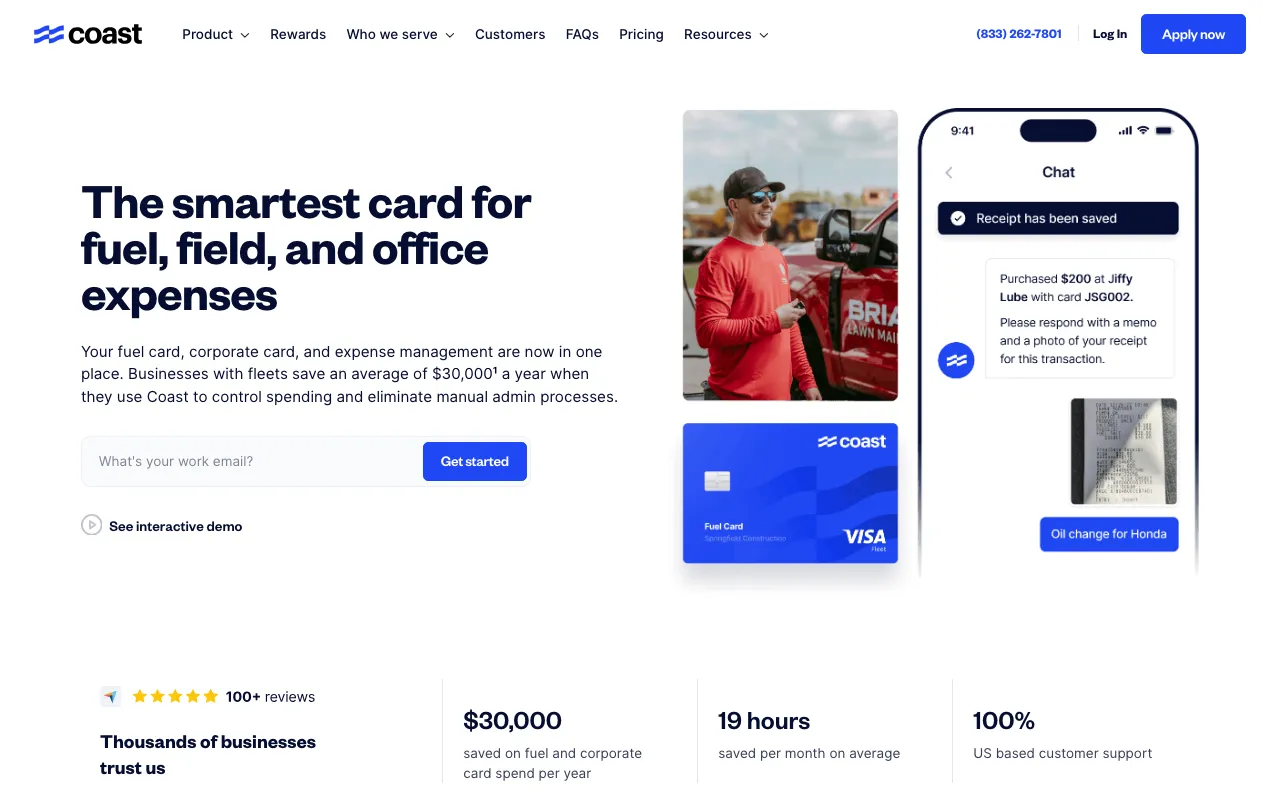
For Qonto, I fully reworked the structure and messaging of their second-biggest landing page, a product page already driving a quarter of total conversions, rebuilding the proof, reassurance and pricing modules. For CoastPay, I ran a business-keyword SEO study, clarified the value proposition and reworked the key modules of the cards silo, aligned with their analytics tracking.

Structure your data, content and authority so AI engines pick you.
- Structured product and pricing data. Schemas for accounts, cards, fees and eligibility so an AI can quote precise, current terms instead of guessing.
- Trust and compliance signals. The entity consistency, reviews and regulatory clarity that make a model treat a financial brand as a reliable source.
- FAQ and intent coverage. The real questions a finance buyer asks, fees, security, switching, eligibility, answered in depth and marked up for direct extraction.
- Conversion-optimized pages. Proof, reassurance and pricing modules rebuilt on your highest-intent pages, the work that moved Qonto +21% and CoastPay +15%.
- Programmatic pages at scale. Use-case, segment and comparison pages generated from your data, each a citable answer and a conversion surface.
One operator across the whole growth surface.
Programmatic SEO
Hundreds of data-fed use-case and comparison pages, structured for Google and AI answers.
Landing-page optimization
Higher conversion on the product pages that already carry your demand, tested and shipped fast.
Micro-tools
Calculators, eligibility checkers and finders that earn links, attention and AI citations.
Your questions about GEO for fintech.
How does a fintech appear in ChatGPT or Perplexity answers?
AI answer engines build their replies from sources they can read, trust and structure. To appear, a fintech needs three things: structured data (Schema.org for products, pricing, fees and eligibility), editorial content that answers real buyer questions in depth, and authority signals (reviews, citations, consistent entity data, regulatory clarity).
Finance has a higher trust bar than most categories, which is exactly why a structured, well-cited brand pulls ahead once it does the work.
What is the difference between SEO and GEO for fintech?
SEO optimizes to rank a blue link on Google. GEO optimizes to be the answer an AI gives when someone asks "best business account for a freelancer" inside ChatGPT, Gemini or Perplexity.
The mechanics overlap, but GEO leans harder on structured product data, entity consistency, FAQ depth and trust signals so the model can extract a precise, citable answer about your fees and terms.
Does GEO replace SEO and CRO for fintech?
No, it compounds them. You want to win the AI answer upstream, the Google ranking, and the conversion on the page once the buyer lands. The fintech that does all three captures demand its competitors never see and converts more of the demand they share.
What kind of results can a fintech expect?
On Qonto, reworking the structure, messaging and proof of one key landing page lifted conversion +21%, roughly 800 extra signed contracts per month. On CoastPay, a business-keyword study and module rework drove +15% conversions on the cards silo one month after launch. Exact numbers depend on your traffic, products and starting point, scoped in the first audit.
How do you work, and how fast?
Solo and AI-augmented, no agency layers. I map the opportunity, design the data and schema model, then ship pages and structured content in days, not months. You get one senior interlocutor and measurable output. Start with a scoped audit, then a focused build on your highest-intent pages.
How much does a GEO engagement for fintech cost?
It depends on scope: a one-off GEO and CRO audit with a roadmap, a focused build on a key page or silo, or an ongoing program. The honest answer comes after a 20-minute call where we look at your current AI visibility, your conversion data and the size of the opportunity. Book a call and I will give you a straight number.
Pick your sector.
Be the answer, and convert the click.
Twenty minutes. We look at your AI visibility, your conversion data, and the size of the opening. You leave with a straight read on what GEO and CRO can move for your fintech.