Generative Engine Optimization · HR Tech
Be the HR platform the AI cites, not just the one Google ranks.
Employers and HR teams now ask ChatGPT, Gemini and Perplexity "how much does an employee really cost" or "best payroll software for a small company". Your platform ranks on Google but stays invisible in the answer the AI gives. I build the structured content and the micro-tools AI engines quote, the assets that turn a generic question into a citation of your brand.
For a 50-person team, the assistant points to your HR platform: payroll, onboarding and time-off in one place, with pricing it can quote.
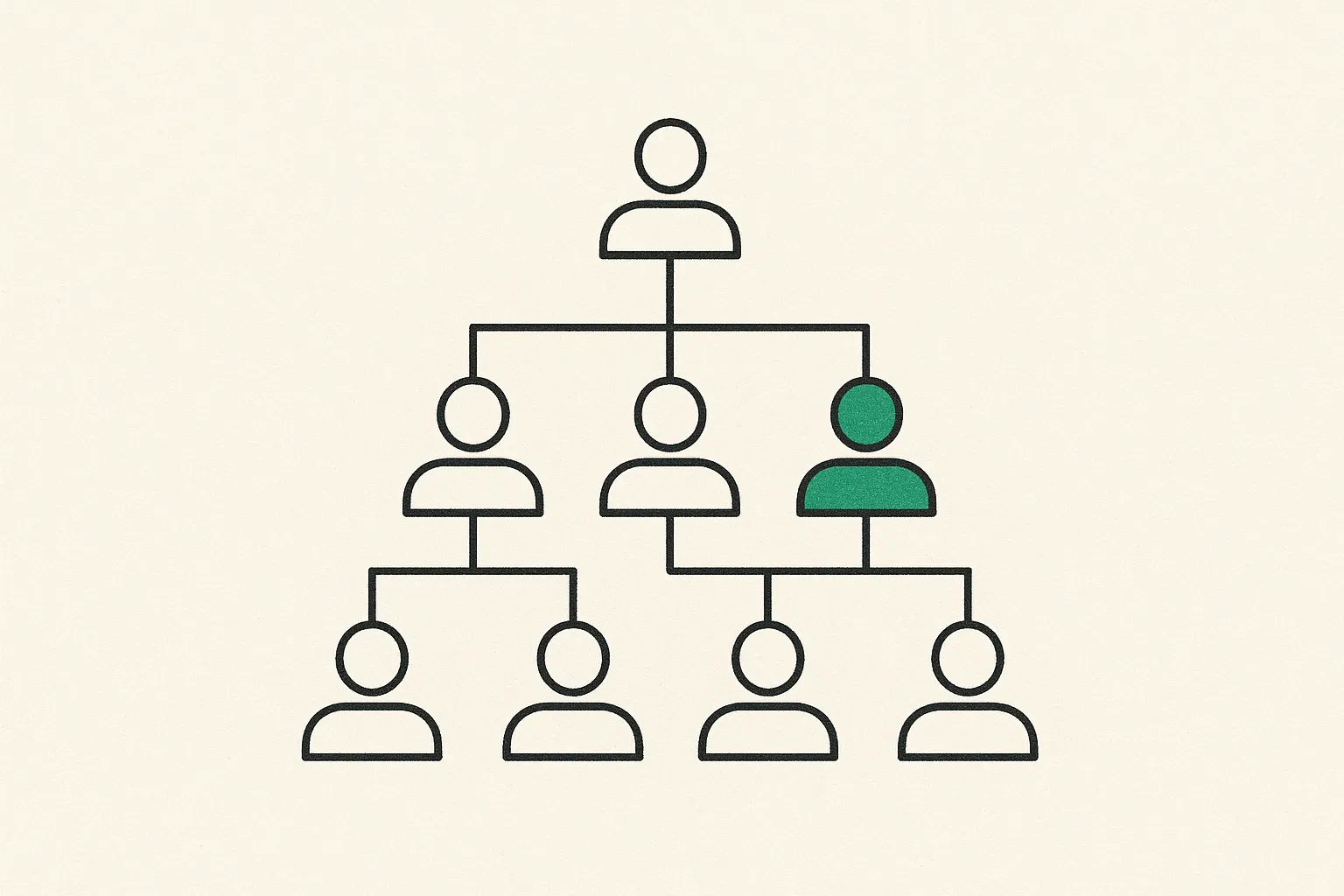
Your HR platform does content. It still loses the AI answer.
HR and payroll are full of high-intent questions with no single clean answer: cost of an employee, notice periods, benefits, compliance by country. An assistant now resolves those in one sourced reply, and if your platform has not structured that knowledge into something a model can extract, you are not the source it quotes. A competitor or a generic blog is.
The teams that win here do two things most do not: they answer the real questions in depth and marked up for extraction, and they ship interactive tools (simulators, calculators) that become the canonical, citable reference. That is exactly the kind of asset an AI loves to point to, and the kind I build.
I build the citable tools an HR platform needs.
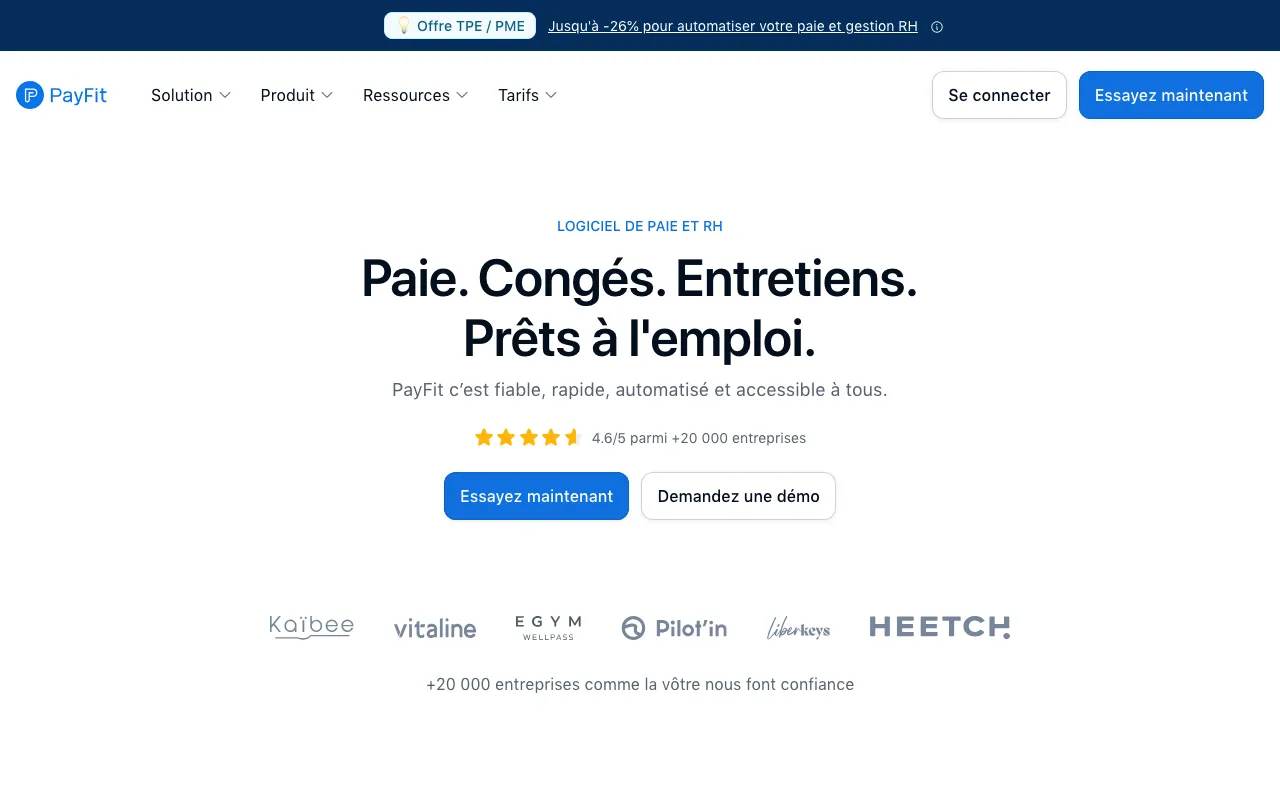
For PayFit, I am designing and shipping growth tools directly on their site: UX, copy, design, development and production. The flagship is a cost-of-employee simulator, the single most-asked HR question, turned into an interactive, structured asset that ranks, converts and gives AI engines a precise source to cite. The engagement is ongoing.
Structure your knowledge and tools so AI engines pick you.
- Structured intent coverage. The real HR and payroll questions, by topic and by country, answered in depth and marked up so engines extract them directly.
- Interactive micro-tools. Simulators and calculators (cost of an employee, payroll, notice) that become the canonical, citable reference for a query.
- Proprietary editorial media. Owned guides built from your data and product, the kind AI cites as a reliable source instead of a generic aggregator.
- Entity and authority signals. Consistent entity data, reviews and citations across the web so the model trusts the platform.
- Programmatic pages at scale. Country, role and use-case pages generated from your data, each a citable answer to a specific HR question.
One operator across the whole growth surface.
Micro-tools
Simulators and calculators that earn links, attention and AI citations, designed, built and shipped end to end.
Programmatic SEO
Hundreds of data-fed country and use-case pages, structured for Google and AI answers.
Landing-page optimization
Higher conversion on the pages that already get traffic, tested and shipped fast.
Your questions about GEO for HR tech.
How does an HR platform appear in ChatGPT or Perplexity answers?
AI answer engines build their replies from sources they can read, trust and structure. To appear, an HR platform needs three things: structured content (Schema.org for FAQ, how-tos and the data behind your tools), in-depth answers to real HR questions, and authority signals (reviews, citations, consistent entity data).
Interactive tools matter more here than in most categories. A well-built simulator becomes the canonical reference an AI points to for a question like "how much does an employee cost".
What is the difference between SEO and GEO for HR tech?
SEO optimizes to rank a blue link on Google. GEO optimizes to be the answer an AI gives when an employer asks "best payroll software for a 10-person company" inside ChatGPT, Gemini or Perplexity.
The mechanics overlap, but GEO leans harder on structured data, FAQ depth, country coverage and citable tools so the model can extract a precise, sourced answer instead of guessing.
Why do micro-tools matter so much for HR tech?
HR questions are calculable: cost of an employee, payroll, notice period, leave. A tool that answers them precisely becomes the asset everyone links to and the source an AI cites by name. It earns backlinks, ranks for high-intent queries, and converts the user at the exact moment they have a number in front of them. That is why I build them, like the cost-of-employee simulator on PayFit.
What kind of results can an HR platform expect?
For PayFit, I have shipped 3 growth tools end to end, including a live cost-of-employee simulator, the single most-asked HR question turned into a ranking, converting, citable asset. The broader play is to pair tools like these with structured content and country coverage so you own the AI answer across your topics. Exact targets are scoped in the first audit.
How do you work, and how fast?
Solo and AI-augmented, no agency layers. I design the UX and copy, build it, and put it in production, in days, not months. You get one senior interlocutor who can take a tool from idea to live, and measurable output. Start with a scoped audit, then a focused build.
How much does a GEO engagement for HR tech cost?
It depends on scope: a one-off GEO audit and roadmap, a focused build (a tool or a content silo), or an ongoing program. The honest answer comes after a 20-minute call where we look at your topics, your current AI visibility and the size of the opportunity. Book a call and I will give you a straight number.
Pick your sector.
Be the source AI quotes on every HR question.
Twenty minutes. We look at your topics, your current AI visibility, and the tools worth building. You leave with a straight read on what GEO can move for your HR platform.