Generative Engine Optimization · Local services
Be the service the AI recommends, not a lost listing.
People ask ChatGPT, Gemini and Perplexity for the "best sneaker cleaning", the "funeral services near me", the "indoor climbing for kids", and act on one short, sourced answer. If your service, your locations and your reviews are not structured in a way the model can read and trust, you are invisible in that reply. I build the service and location pages that make AI engines name your business.
The assistant returns one name: your business, open now, five minutes away, with the reviews and hours it needs to recommend you.
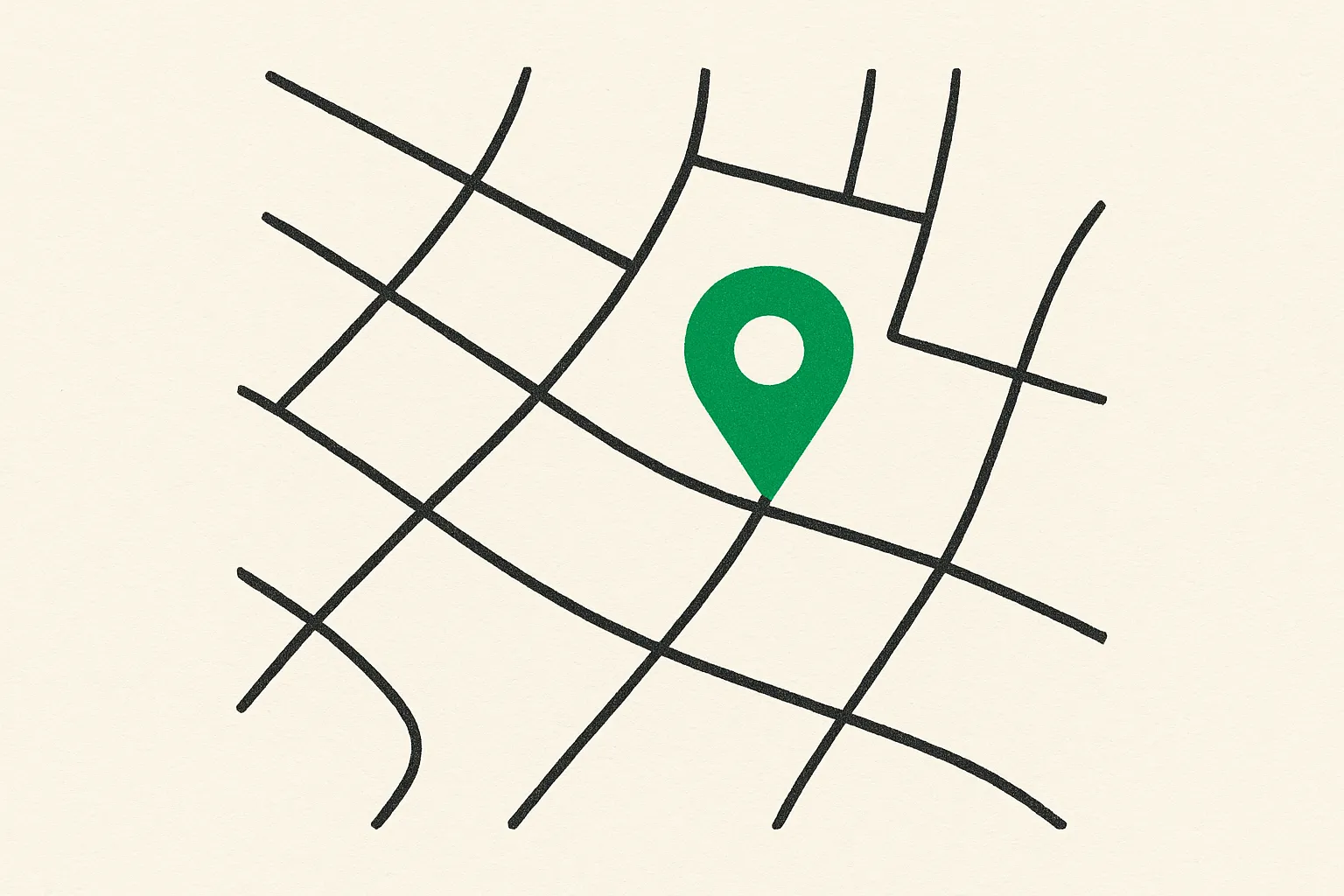
You deliver a great service. The AI still recommends someone else.
Service discovery is moving into the assistant. A customer asks for the best option for their need and gets a single recommendation with a reason, not a list to compare. If your service is not clearly described and structured, your locations are thin or missing, or your data is inconsistent across the web, the model has nothing reliable to cite, so it cites a competitor.
Most service businesses do the basics and stop. The structured service and location data, the per-service and per-place pages, the consistent entity signals and surfaced reviews that AI engines reward are missing. That gap is the opportunity, and it is widest now, before the category catches up.
I work with service brands customers find by intent.
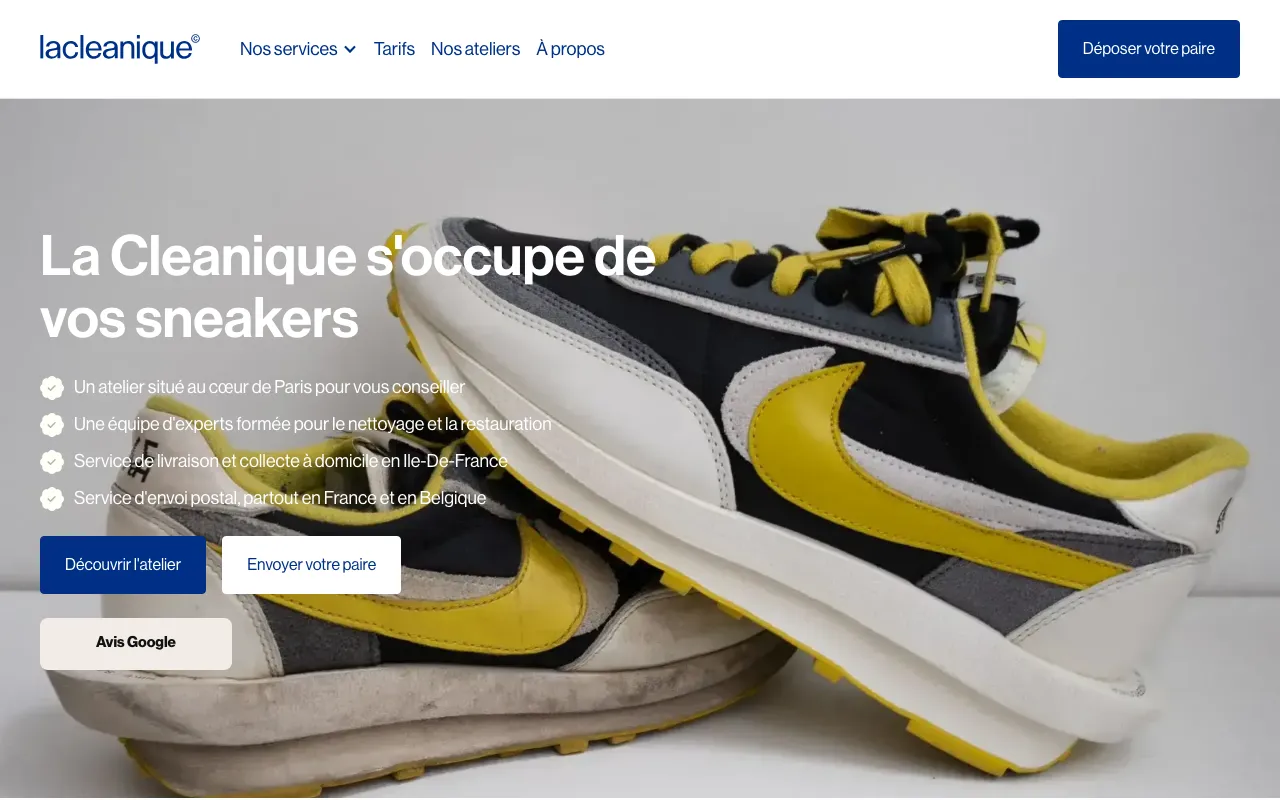
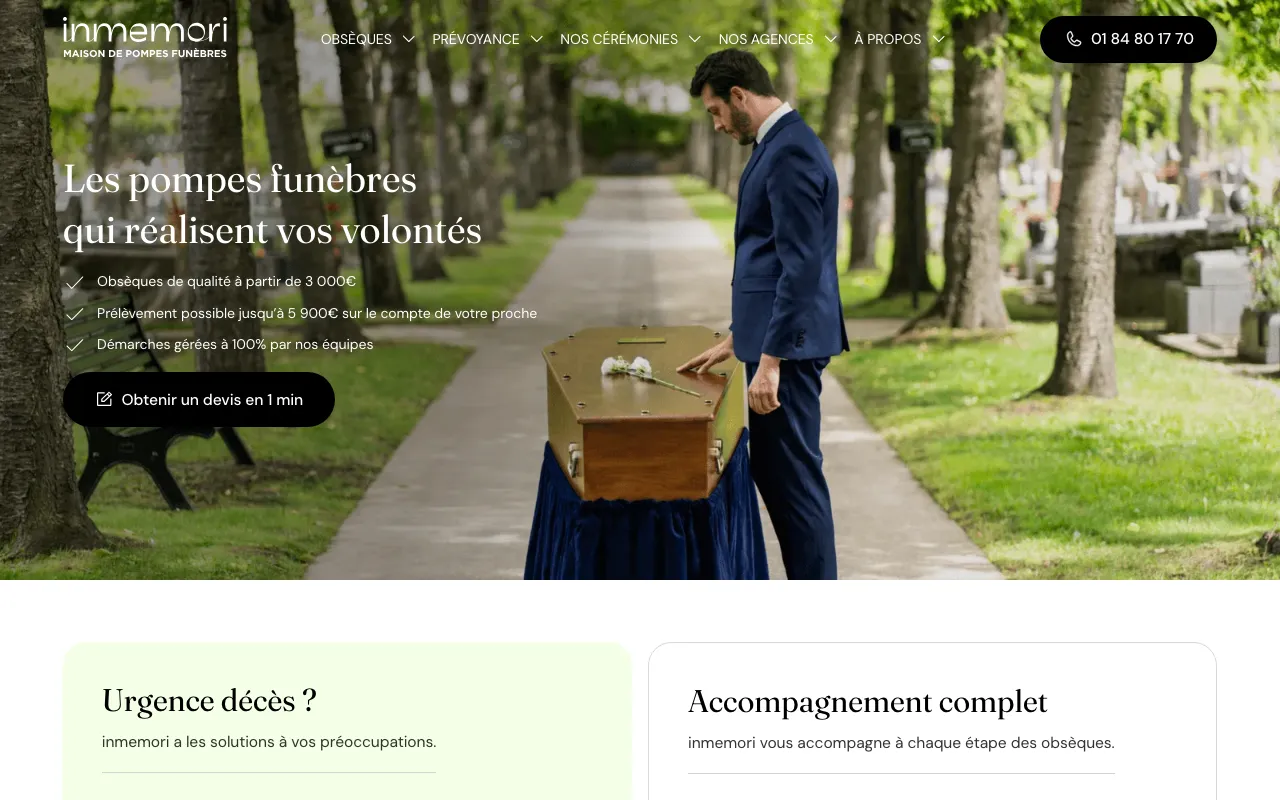
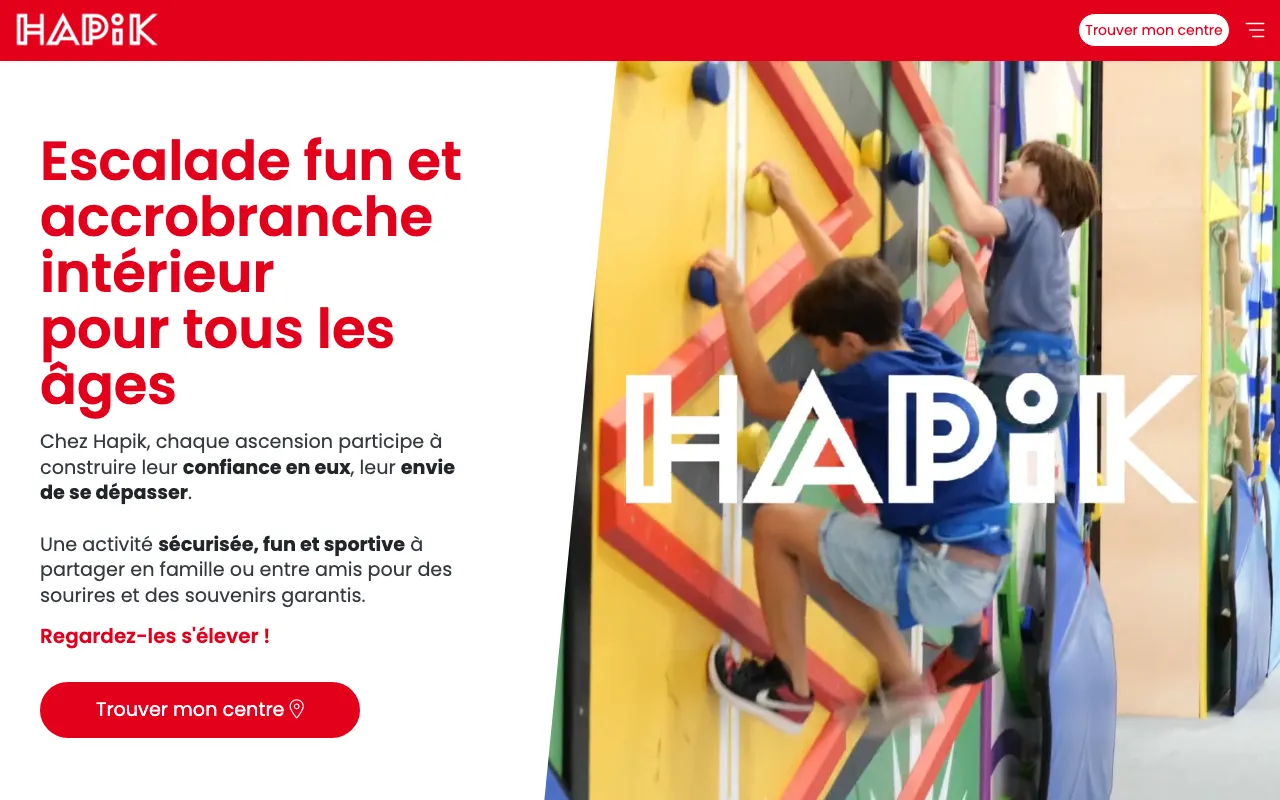
I work with service businesses across very different needs: La Cleanique (premium sneaker cleaning, drop-off or by post), Inmemori (modern funeral services) and Hapik (indoor climbing parks). Different sectors, same engine: structured service and location pages, clear value, consistent entity data and reviews, so an AI can name the right service for the right intent.
Structure your services, locations and authority so AI engines pick you.
- Structured service data. Schemas for each service, what it covers, price, area served and turnaround, so an AI can quote precise, current details.
- Service and location pages. One structured, citable page per service and place, generated from your data, each a direct answer to an intent or "near me" query.
- Entity consistency across the web. Name, locations, hours and category aligned across your site, maps and directories so the model trusts the business.
- Reviews and authority signals. Reviews and citations surfaced and structured, the social proof an AI weighs before it recommends a service.
- FAQ and intent coverage. The real questions customers ask before booking, answered in depth and marked up so engines extract them directly.
One operator across the whole growth surface.
Programmatic SEO
Hundreds of structured per-service and per-location pages, built for Google, maps and AI answers.
Landing-page optimization
Higher conversion on the pages that already get traffic, tested and shipped fast.
Micro-tools
Finders, quote and booking helpers that earn links, attention and AI citations.
Your questions about GEO for local services.
How does a service business appear in ChatGPT or Perplexity answers?
AI answer engines build their replies from sources they can read, trust and structure. To appear, a service business needs three things: structured service and location data (Schema.org for services, places, hours and reviews), pages that answer real intent and "near me" queries, and authority signals (consistent entity data and reviews across the web).
Consistency matters a lot. If your details conflict across the web, the model has no reliable source to cite, so it picks a competitor that is consistent.
What is the difference between local SEO and GEO for services?
Local SEO optimizes to rank in local results and the map pack on Google. GEO optimizes to be the answer an assistant gives when a customer asks "best X near me" or "who can do Y" inside ChatGPT, Gemini or Perplexity.
The mechanics overlap, but GEO leans harder on structured service data, entity consistency, per-service and per-place pages and reviews so the model can extract a precise, citable recommendation.
Does GEO replace local SEO?
No, it compounds it. Discovery is splitting between classic local results and generative answers, and customers increasingly start in an assistant. A business that wins both captures demand before competitors who only did the basics. GEO is the early-mover advantage before the category saturates.
How do you work, and how fast?
Solo and AI-augmented, no agency layers. I map the opportunity, design the service and location data model, then ship pages and structured content in days, not months. You get one senior interlocutor and measurable output. Start with a scoped audit, then a focused build.
How much does a GEO engagement for a service business cost?
It depends on scope: a one-off GEO and local audit with a roadmap, a focused build on your services and locations, or an ongoing program. The honest answer comes after a 20-minute call where we look at your services, your current AI and local visibility and the size of the opportunity. Book a call and I will give you a straight number.
Pick your sector.
Be the service the AI recommends first.
Twenty minutes. We look at your services, your current AI and local visibility, and the size of the opening. You leave with a straight read on what GEO can move for your business.