Generative Engine Optimization · Startups
Be the startup the AI recommends, not the one it forgets.
Your buyers now open ChatGPT, Gemini or Perplexity and ask "best tool for X" or "alternatives to Y". The AI returns a shortlist of a few products. If yours is not the cited answer, you never enter the conversation. I build the glossaries, product pages and editorial authority that make AI engines name your SaaS, and the pages that turn that demand into signups.
The assistant names your startup first: the category glossary, product pages and proof that make the model remember you, not a competitor.

Your SaaS ranks on Google. It still misses the AI shortlist.
B2B software buying starts with research, and that research has moved into assistants. A prospect asks for the best tool in a category and gets three or four names with a one-line reason each. That list is the new top of funnel. If your product, your use cases and your differentiators are not structured so a model can read and trust them, you are not on it.
Most SaaS teams publish blog posts and stop. The glossaries, comparison pages, structured product data and editorial depth that AI engines reward are missing or thin. That gap is the opening, and it is widest now, before every competitor in your category does the work.
I have already grown SaaS products with structured content.
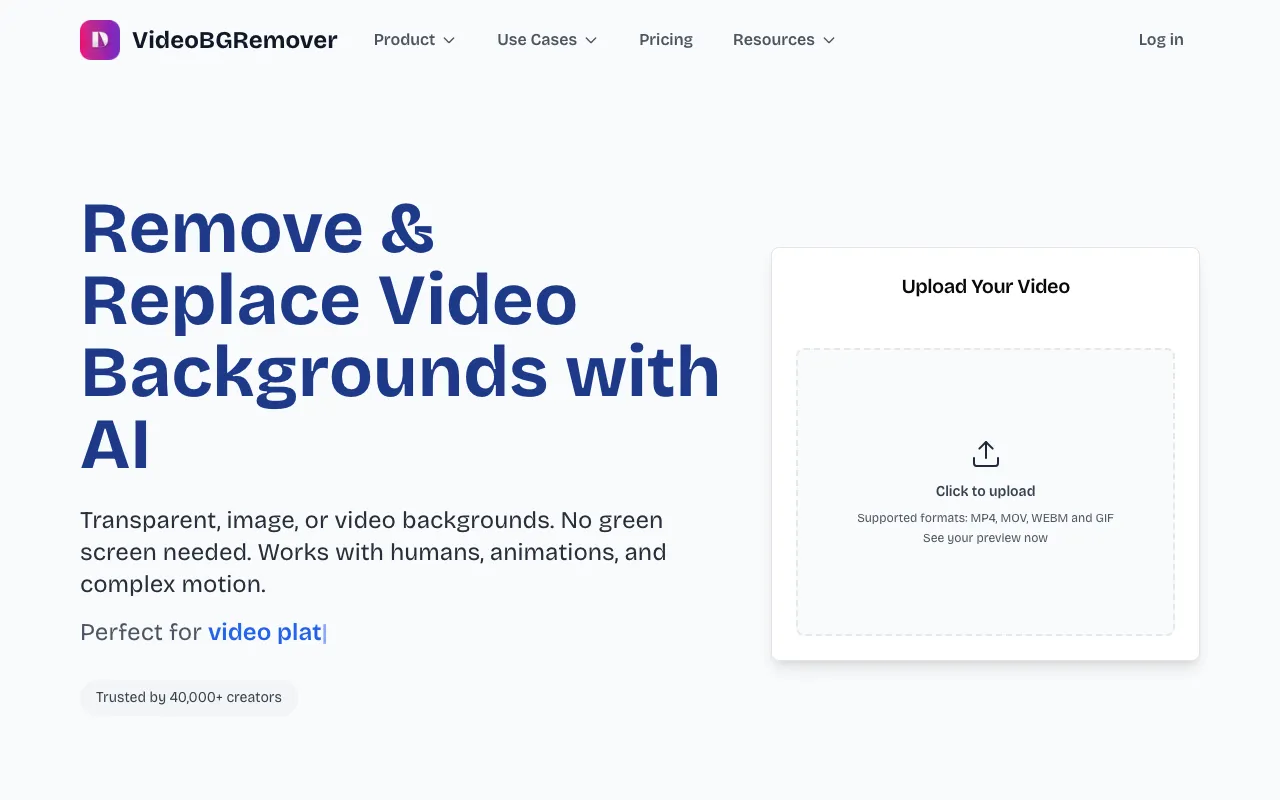
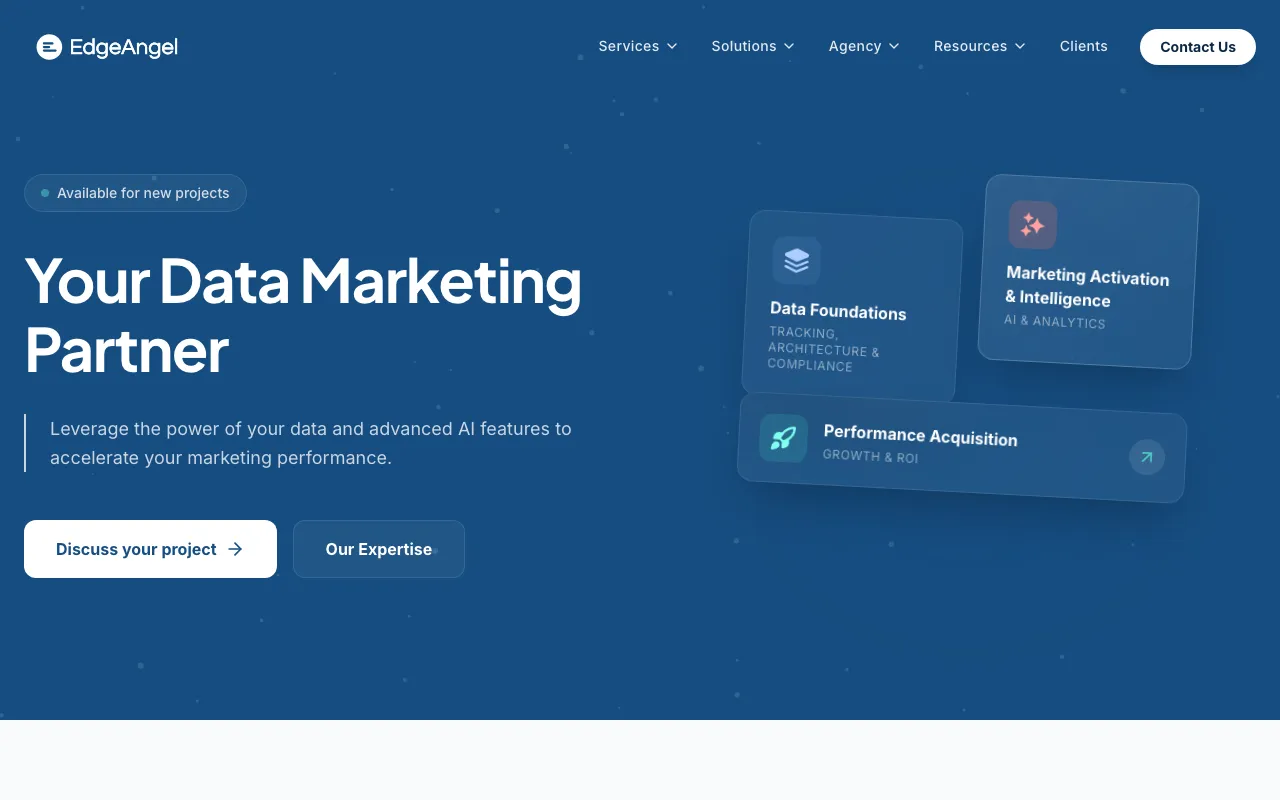
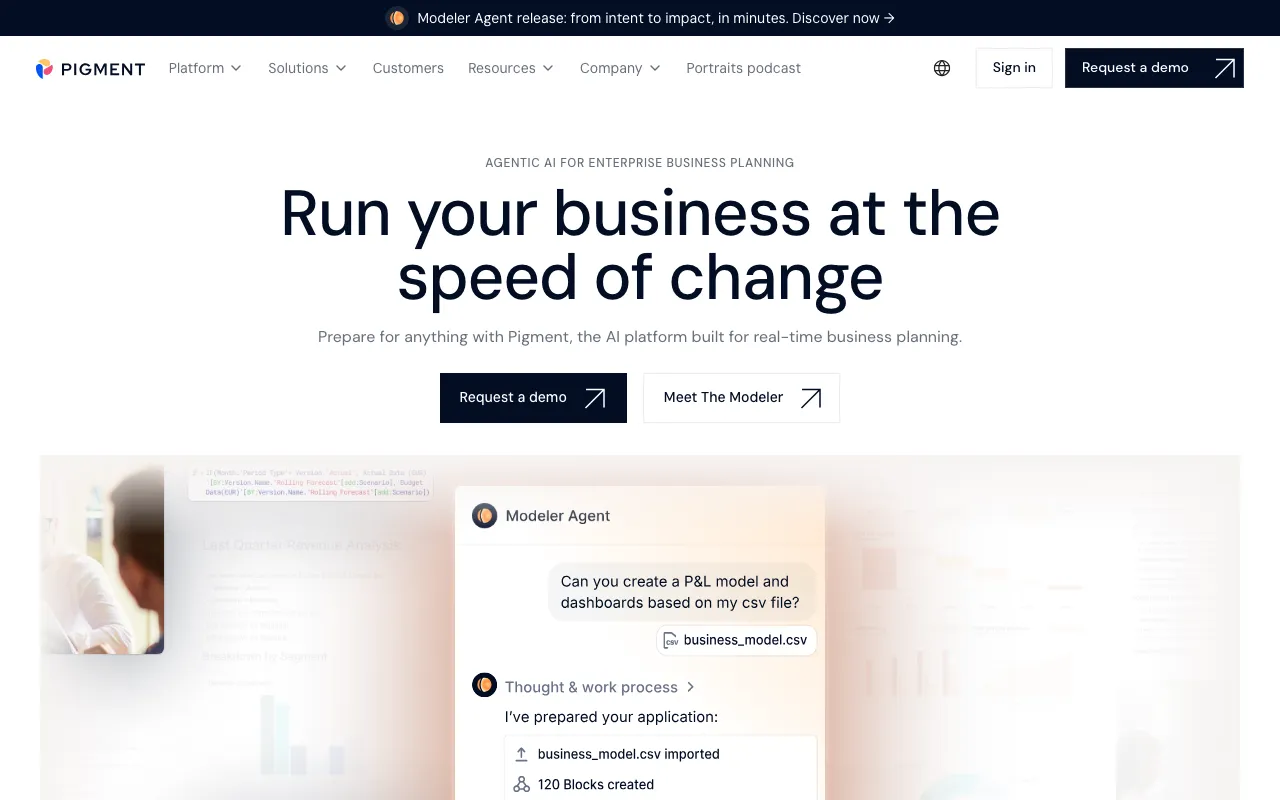
For VideoBGRemover, I clarified the value proposition and core use cases, reworked the key page modules and ran a product-led SEO content strategy, taking it from 200 to 2,400 visitors a day in three months. For Edge Angel, I built a landing page targeting transactional keywords around mobile app tracking, with messaging that made a highly technical value clear, on pages worth a 15,000 euro average LTV. I also work with Pigment on the same growth surface.
Structure your content and authority so AI engines pick you.
- Glossaries and definitions. The terms of your category, defined clearly and marked up, the exact content AI engines quote when they explain a concept.
- Product and use-case pages. Structured pages that state what you do, for whom and why, so a model can match you to a buyer query and cite you by name.
- Comparison and alternative pages. Honest, structured comparisons that put you in the shortlist when a buyer asks for the best tool or an alternative to a competitor.
- Editorial authority and entity signals. In-depth owned content, consistent entity data and citations so the model trusts your brand as a reliable source.
- Micro-tools. Calculators, finders and interactive assets that earn links, attention and AI citations around your category.
One operator across the whole growth surface.
Programmatic SEO
Hundreds of data-fed use-case, integration and comparison pages, structured for Google and AI answers.
Landing-page optimization
Higher conversion on the pages that already get traffic, tested and shipped fast.
Micro-tools
Calculators and finders that earn links, attention and AI citations.
Your questions about GEO for startups.
How does a B2B SaaS appear in ChatGPT or Perplexity answers?
AI answer engines build their replies from sources they can read, trust and structure. To be named in a shortlist, a SaaS needs three things: structured content (Schema.org for products, FAQ and definitions), editorial depth that explains your category and use cases, and authority signals (reviews, citations, consistent entity data).
Glossaries and comparison pages punch above their weight here, because they are exactly the content a model pulls from when it explains a concept or recommends a tool.
What is the difference between SEO and GEO for B2B SaaS?
SEO optimizes to rank a blue link on Google. GEO optimizes to be named in the answer an AI gives when a buyer asks "best analytics tool for product teams" inside ChatGPT, Gemini or Perplexity.
The mechanics overlap, but GEO leans harder on structured data, glossaries, comparison content, entity consistency and editorial depth so the model can confidently put you on the shortlist.
Does GEO replace SEO for SaaS?
No, it compounds it. Search is splitting between classic results and generative answers, and B2B research increasingly starts in an assistant. A SaaS that wins both captures demand before competitors who only optimized for Google. GEO is the early-mover advantage before the category saturates.
What kind of results can a SaaS expect?
On VideoBGRemover, clarifying the value proposition and running a product-led SEO strategy took it from 200 to 2,400 visitors a day in three months (×12) and 100 to 950 purchases a month (×9). On Edge Angel, a transactional landing page drove deals worth a 15,000 euro average LTV. Exact numbers depend on your category, traffic and starting point, scoped in the first audit.
How do you work, and how fast?
Solo and AI-augmented, no agency layers. I map the opportunity, design the data and content model, then ship pages and structured content in days, not months. You get one senior interlocutor and measurable output. Start with a scoped audit, then a focused build on your highest-intent pages.
How much does a GEO engagement for B2B SaaS cost?
It depends on scope: a one-off GEO audit and roadmap, a focused build on a key silo (glossary, comparison pages, a tool), or an ongoing program. The honest answer comes after a 20-minute call where we look at your category, your current AI visibility and the size of the opportunity. Book a call and I will give you a straight number.
Pick your sector.
Be on the shortlist the AI reads out.
Twenty minutes. We look at your category, your current AI visibility, and the size of the opening. You leave with a straight read on what GEO can move for your SaaS.